Our Story
Our founders met while leading diverse volunteers of all backgrounds through disaster relief. Time and again, these groups explained that their service was driven by deep religious or cultural imperatives.
When working with Jewish volunteers, our founders were frequently asked: What makes this work Jewish?
The immediate answers were always standard Hebrew terms: tikkun olam (repairing the world), tzedakah (righteous giving), or the mandate of lo ta'amod al dam re'echa ("do not stand idly by the blood of your neighbor"). While these do reflect core values for Jewish people, they are not exclusive to Judaism and are rather Jewish language for some universal ethical principles found throughout the world. Hindus practice sewa, Buddhists practice dāna, and South African traditions recognize the interconnectedness of ubuntu.
But still we couldn’t shake the feeling that there is truly something uniquely Jewish in how we approach this work. Orev was born out of the pursuit to satisfy this question. We aim to identify the missing link between the intuitive feeling that something about our service is uniquely Jewish and the ability to clearly articulate why.
What Makes this Jewish?
Helping in a crisis is not a uniquely Jewish mission; it is a human imperative shared across traditions, each with their own language for describing that mandate.
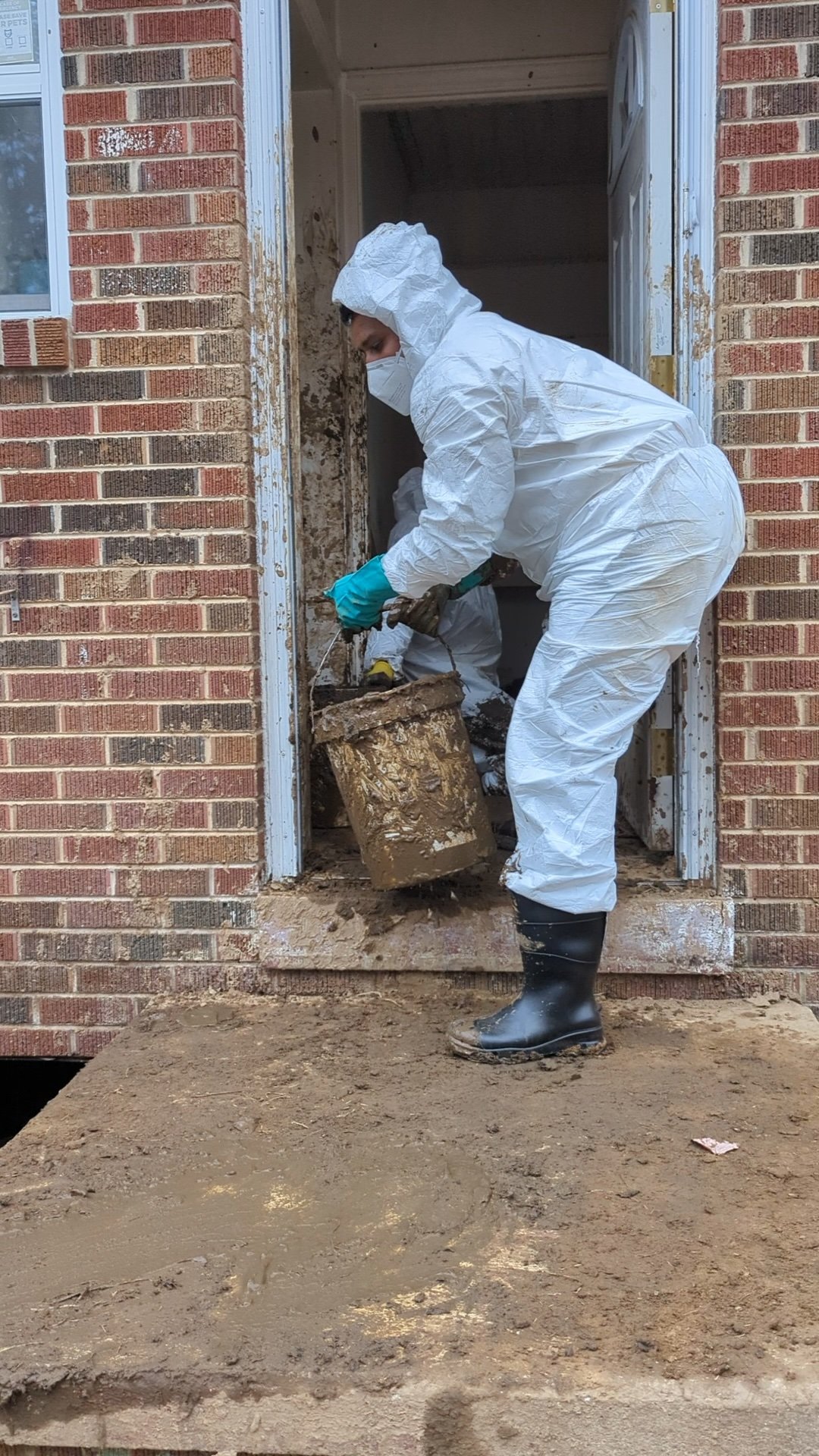
What is distinctively Jewish is the ongoing practice of interrogation. Disasters are moral minefields that expose acute vulnerabilities regarding philanthropy, power, community stakeholders, and equity. As part of our recovery work, we confront head-on the decisions we make and the systems in which disasters and recoveries operate.
A Jewish lens on disaster interrogates our service as we practice it, turning the hands-on work of repair into a classroom for connecting with Jewish ethical and intellectual tradition. We use the scaffolding of Jewish wisdom to grapple with the complex ethical dilemmas of relief work. We believe that when you enter a disaster zone, your responsibility isn't just to rebuild physical structures, but to engage in the hard, sustained practice of asking what it means to help responsibly.
That practice of asking is what makes our work Jewish.
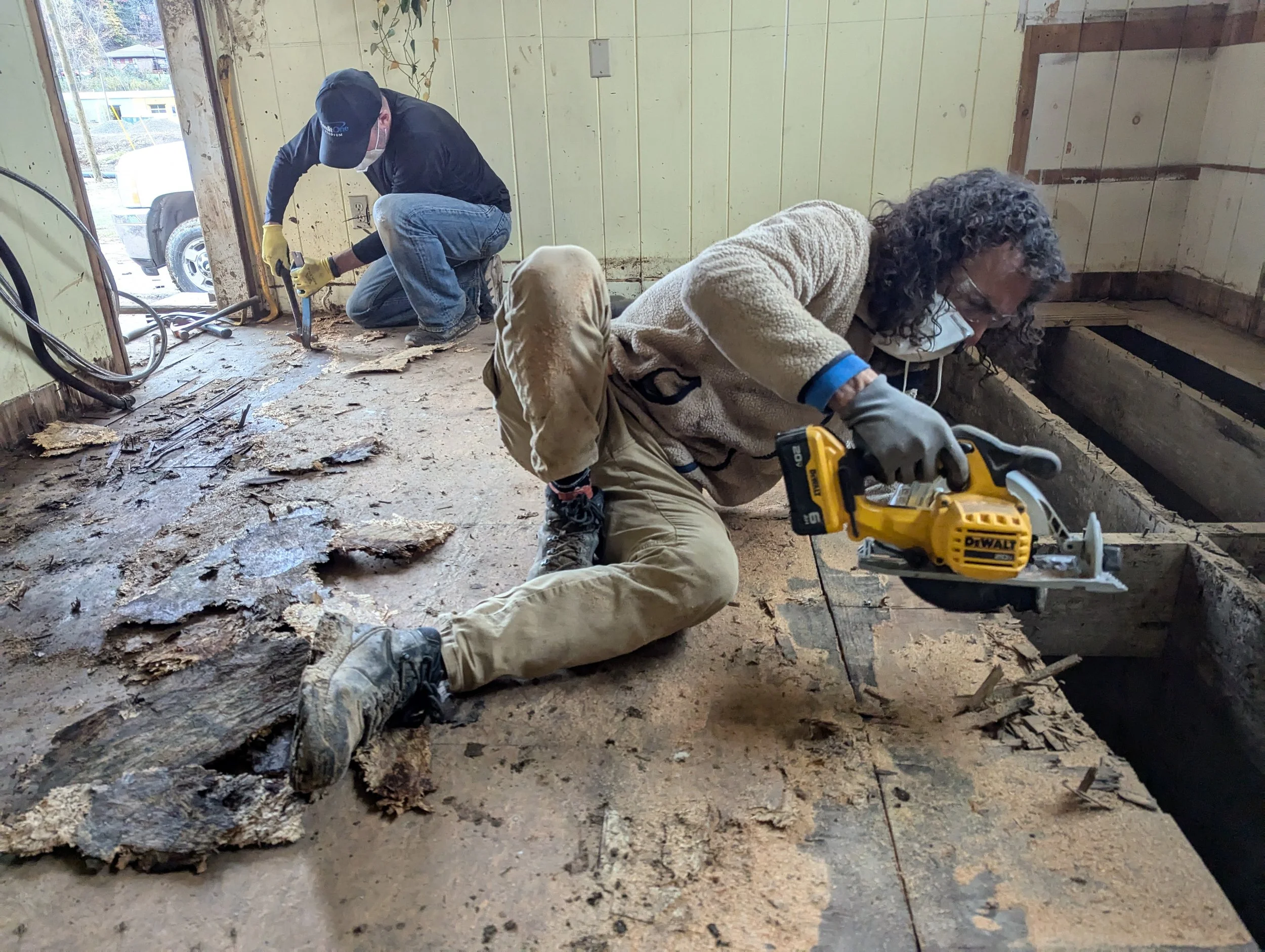
Orev (Hebrew for "raven") recalls a striking and overlooked figure from the biblical flood story. In the narrative, Noah sends out the raven first—long before the dove—to test the waters and survey the devastation. The raven circled the ruins of a broken world, refusing to land prematurely, and committing to stay with the landscape until it had fully recovered.
The raven is uniquely self-aware, marked by an inherent drive to question its own presence and interrogate its actions even while performing vital work. That pairing of introspective questioning with stubborn, outward action defines our approach to disaster recovery.
Why “Orev”?
Our Values
Teiku
(Let It Stand)
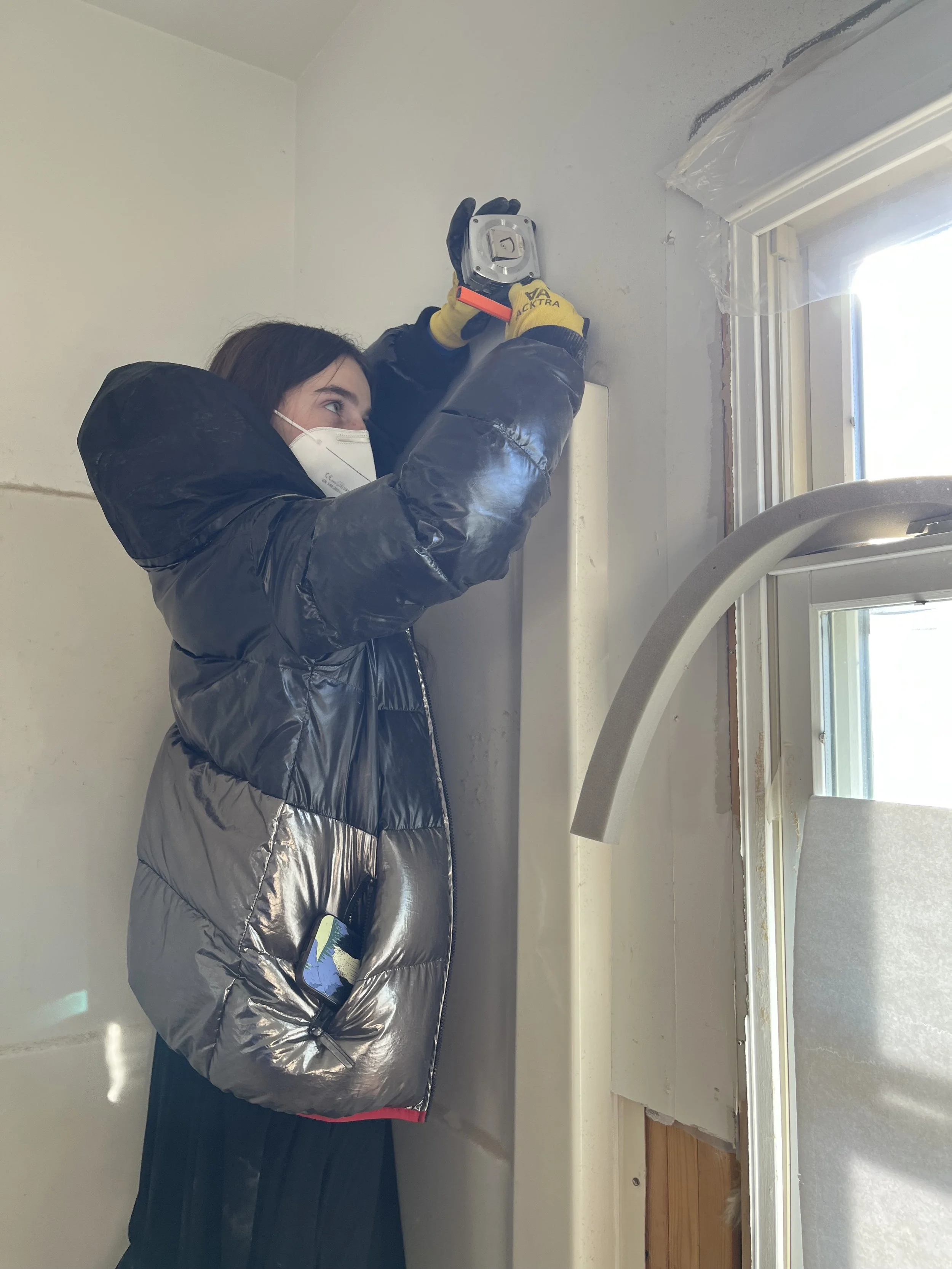
The Talmud uses the Aramaic word teiku to address debates that cannot be neatly resolved. We offer questions about these complex problems, even knowing they don’t have clear answers. We look to Jewish wisdom to guide growth and debate about real-world moral dilemmas that sit at the intersection of disaster response and morality. Continuing the tradition of Talmudic inquiry is what grounds us in our Jewish identity.
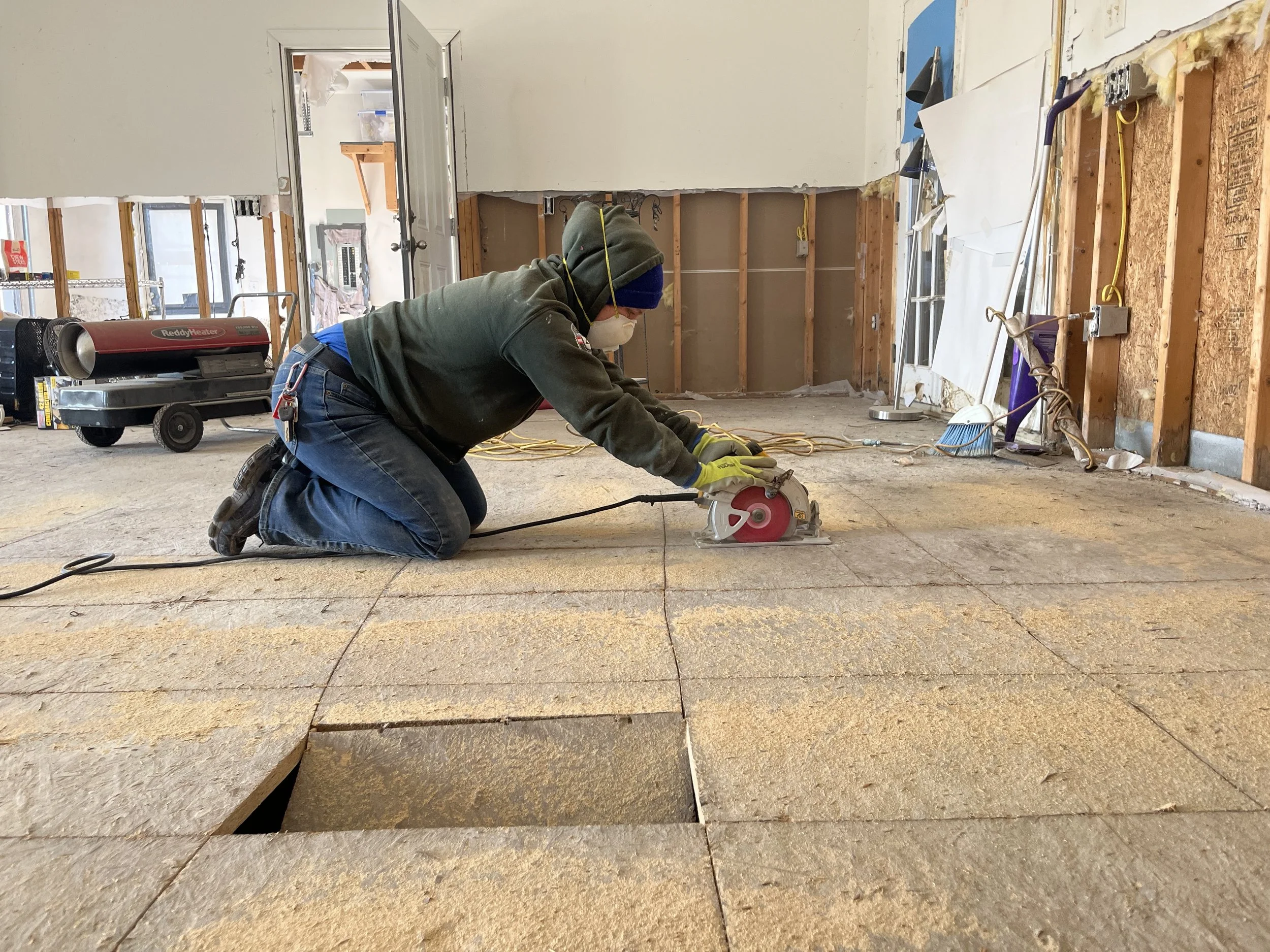
Jewish tradition teaches that just as there are sacred duties to welcoming guests, there is an entire ethical code for being a guest—one that demands respect, restraint, and deep consideration for the host. We travel to communities we do not live in, fully recognizing that we enter as visitors. Our programs only exist where there is an articulated, genuine community need, and our first commitment is always to the priorities of those we serve. We understand that if we do not leave the homeowners and partner organizations stronger than we found them, we have not done our duty.
We Are Guests
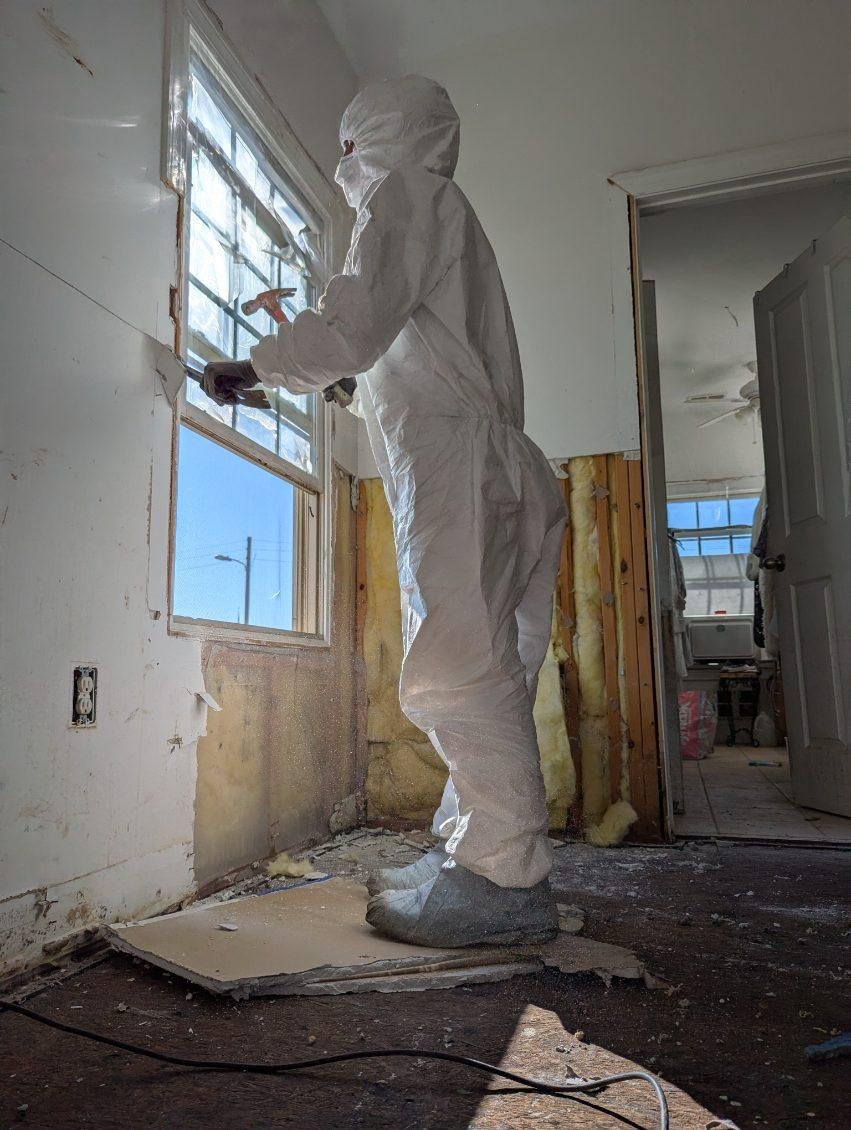
Gashmiyut (Embodiment)
Avodah b’gashmiyut is the Hassidic notion that service must be embodied in the material, mundane world. Jewish practice is not limited to classrooms and pews. Our tradition is alive when Jews swing hammers, install drywall, and clear debris. We see physical action to physical problems as part of Jewish life, and a pathway in its own right to spiritual connection.